




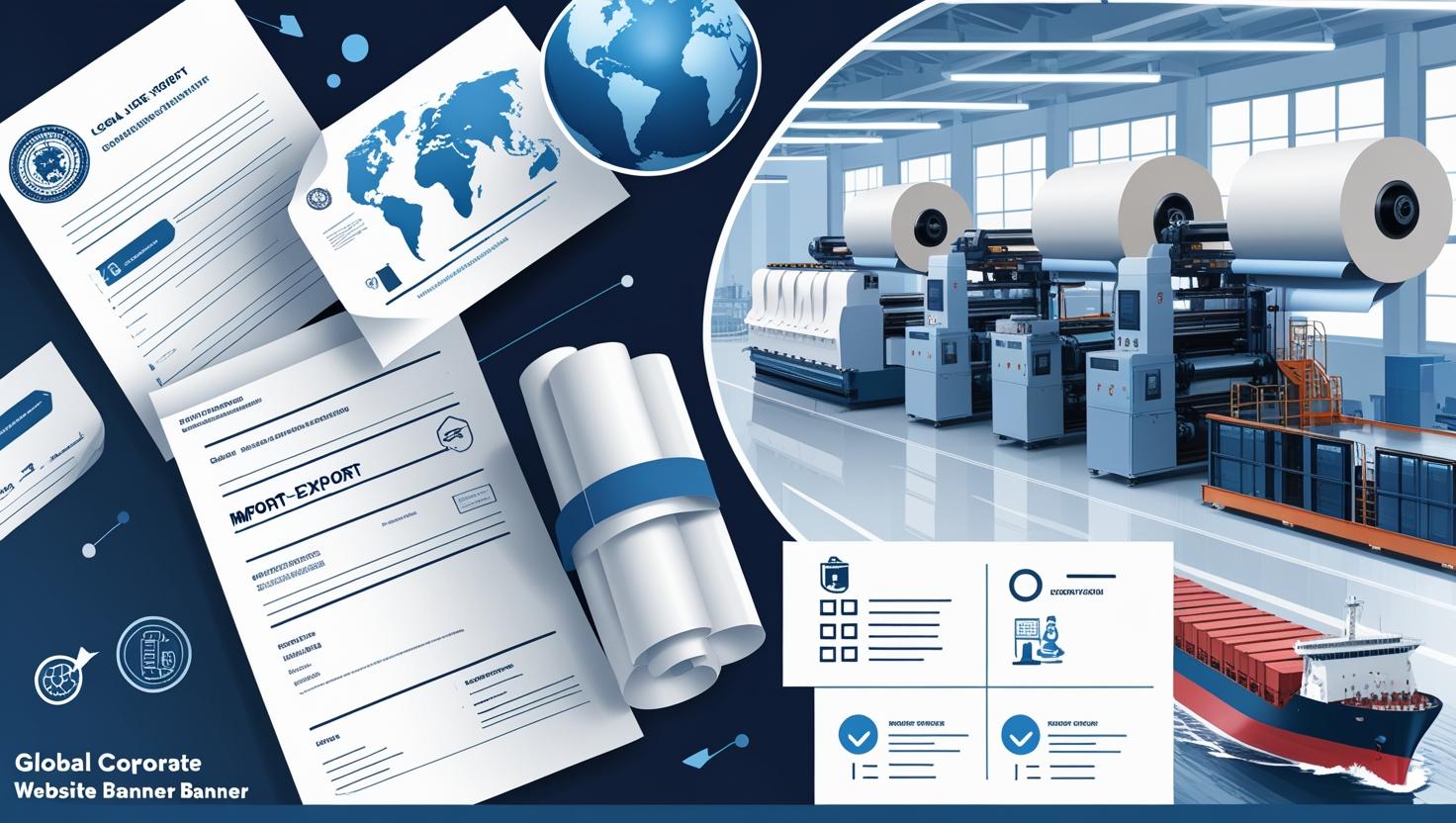
In the fast-moving arena of global commerce, non-compliance is one of the quickest ways to drain profitability. A single documentation oversight can trigger physical customs holds, demurrage charges reaching hundreds of dollars per container per day, or outright shipment seizure. Mastering compliance is not about drowning in red tape; it is about establishing a repeatable, disciplined system.
Follow this step-by-step framework to ensure every import and export consignment clears customs smoothly and legally.
Step 1: Determine and Verify Exact HS Codes
Every product crossing an international border is classified under a Harmonized System (HS) code. This code dictates applicable duties, anti-dumping tariffs, VAT rates, and non-tariff regulatory barriers. Misclassification — whether intentional or accidental — can result in severe financial penalties.
Best Practice: Always obtain technical data sheets (TDS) and mill test certificates before classification. For specialized machinery or coated paperboards, consult with customs brokers or seek an advance ruling from customs authorities.
Step 2: Align and Standardize Core Trade Documents
Ensure complete consistency across all four cornerstone trade documents:
- Commercial Invoice: Must state exact item descriptions, unit prices, currency, Incoterms, and buyer/seller tax identifiers.
- Packing List: Must accurately reflect net weight, gross weight, package dimensions, and container seal numbers.
- Bill of Lading (B/L) or Airway Bill (AWB): Consignee details must match letters of credit and import licenses word-for-word.
- Certificate of Origin (COO): Essential for claiming preferential tariff benefits under bilateral or regional trade agreements.


Step 3: Establish Clear Incoterms in Commercial Contracts
Incoterms (such as FOB, CFR, CIF, or DAP) define the exact point where risk and cost transfer from the seller to the buyer. Ambiguity around who is responsible for port handling, customs clearance fees, and inland transit insurance is a frequent source of costly disputes.
Best Practice: Explicitly state the Incoterms edition (e.g., "CIF Jebel Ali Port, Incoterms 2020") directly on proforma invoices and purchase contracts.
Step 4: Pre-Clear Shipments Electronically
Modern customs agencies allow pre-arrival processing. Transmitting shipping manifests and digital declaration files 48 to 72 hours before container vessel arrival allows customs clearance to occur while cargo is still at sea, enabling prompt gate-out upon discharge.
Insignis Compliance Standard
Documentation Team"Proactive pre-audit of trade documents eliminates 99% of customs bottlenecks before cargo ever departs the factory gates."

