
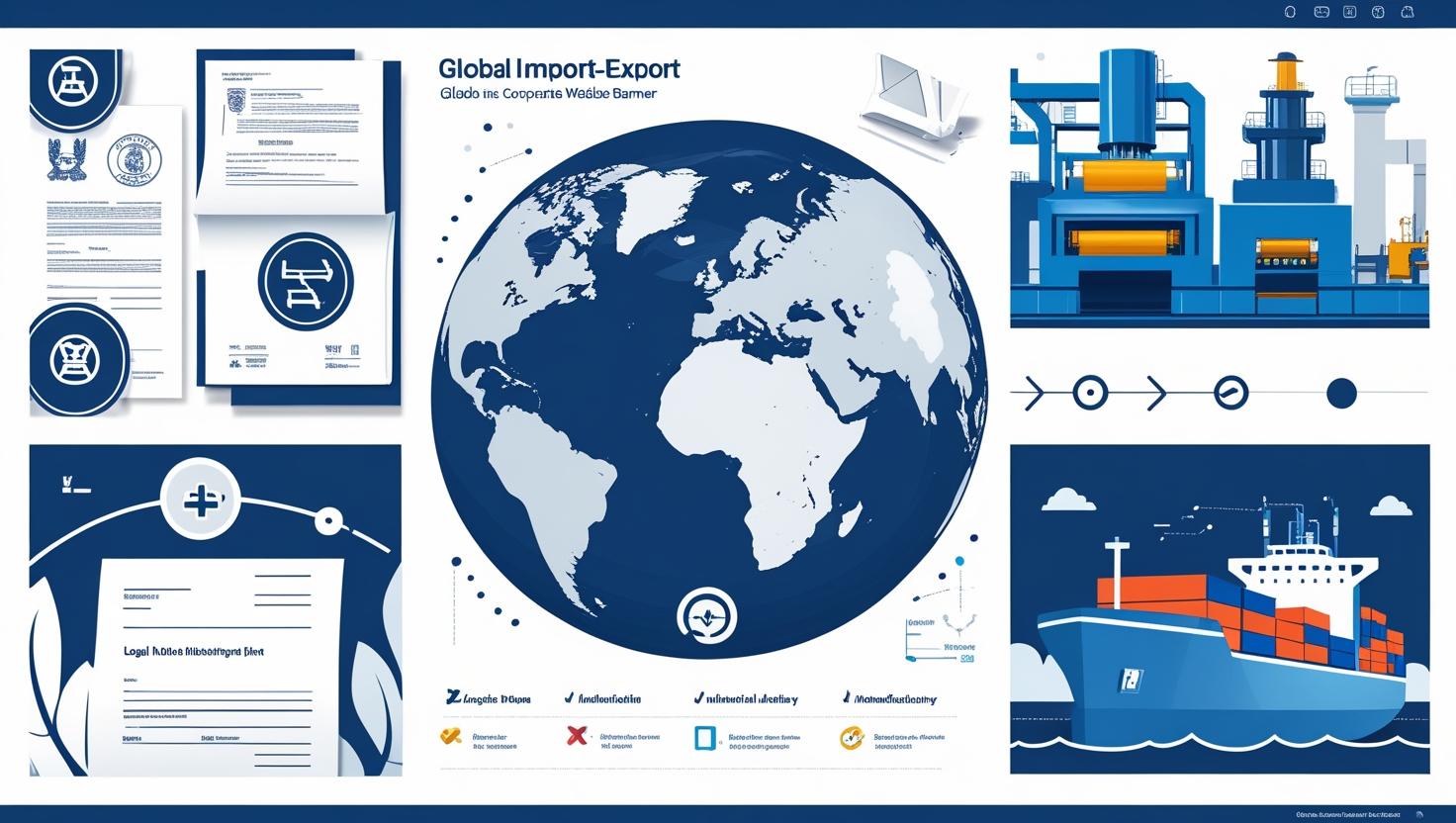
Expanding across borders offers enormous growth potential for manufacturing and trading businesses, but international trade is fraught with logistical complexities, regulatory landmines, and supply chain volatility. Whether you are importing heavy paper converting machinery or exporting containerloads of industrial paperboard, understanding how to navigate these hurdles separates profitable ventures from costly mistakes.
Here are the five most prevalent challenges faced by global importers and exporters, accompanied by battle-tested strategies to overcome them.
1. Complex Customs Documentation & Tariffs
Incorrect Harmonized System (HS) code classification, missing Certificates of Origin, or faulty commercial invoices are the number one cause of costly port demurrage and customs delays. Even a minor discrepancy in product descriptions can prompt physical inspections and hefty penalties.
The Solution: Partner with knowledgeable trade specialists who pre-audit documentation against the destination country's current tariff schedule before cargo leaves the port of origin. Always confirm Incoterms (e.g., CIF vs DDP) in writing so clear responsibility is allocated for clearance fees.
2. Supply Chain Disruptions & Freight Volatility
Ocean carrier blank sailings, container shortages, geopolitical canal disruptions, and port congestion can drastically alter shipment ETAs. Unplanned transit delays can shut down factory production lines waiting on critical spare parts or raw paper rolls.
The Solution: Diversify shipping carrier relationships and build a 15-20% time buffer into procurement planning. Utilizing multi-modal freight options (combining sea and rail or targeted air shipments for critical parts) helps maintain continuous operations.

3. Currency Exchange Rate Fluctuations
Between the date of contract signing, manufacturing lead time, and final bill of lading release (which can take 60 to 90 days), exchange rate swings between USD, EUR, and local currencies can easily wipe out thin profit margins.
The Solution: Utilize financial hedging mechanisms such as forward exchange contracts or multi-currency escrow accounts. Where possible, negotiate price indexation clauses or fix contracts in stable settlement currencies with established payment milestones.
4. Counterparty Reliability and Product Quality Risks
One of the greatest fears in overseas sourcing is receiving substandard machinery or paper rolls that do not match the approved sample's GSM and tensile specifications. Recourse across foreign jurisdictions is notoriously slow and expensive.
The Solution: Never release final payment without an independent pre-shipment quality inspection (PSI). Insignis ensures strict factory verification, technical testing, and photo/video verification for all machinery and paper consignments prior to container sealing.
5. Navigating Changing Compliance & ESG Standards
From stricter environmental regulations (such as zero-deforestation paper sourcing directives) to import safety certifications for electrical machinery, international standards evolve constantly.
The Solution: Procure exclusively from certified mills and manufacturers who maintain traceability standards (FSC certifications, CE marks, ISO accreditations). Staying ahead of regulatory mandates protects your brand reputation and prevents customs rejections.
Insignis Trade Advisory
Global Trade Desk"Success in international trade isn't just about finding the lowest unit cost — it's about eliminating operational friction, ensuring compliance, and delivering consistency at every stage of the supply chain."

